
Home renovations represent one of the most transformative processes a homeowner can undertake, blending creativity with the practical realities of construction, planning, budgeting, and long-term functionality. Whether you’re making targeted improvements or overhauling your entire property, renovating a home requires a balance of imagination and strategy. Many homeowners begin with a vision—more space, better flow, updated finishes, or improved outdoor areas—and soon discover that the path from idea to completion involves careful coordination among multiple specialists, trades, and project phases. The goal of this guide is to help you approach your renovation with clarity and confidence, ensuring that your investment supports both your immediate needs and the long-term value of your home. Renovations can be disruptive, but with the right planning, they are manageable, rewarding, and deeply satisfying. Understanding the fundamentals of design, construction, and logistics will help you stay organized, avoid delays, and make informed decisions throughout the process. In this comprehensive guide, you’ll learn how to coordinate contractors, build realistic timelines, choose the right materials, and prepare for each stage of your renovation, ultimately helping you bring your ideal living space to life with structure and purpose.
Partnering With Experienced Professionals
Working with professionals is one of the most influential decisions you will make during a renovation, especially if your project involves structural changes, custom layouts, or major additions. This is where luxury custom home builders often play a crucial role, as they bring a high level of expertise, craftsmanship, and planning coordination that can help ensure your renovation aligns with your expectations. These builders typically have established teams of subcontractors, designers, and project managers, which means they can streamline communication and scheduling across the various specialties needed for the job. Their experience minimizing delays, navigating building codes, sourcing quality materials, and managing workflow can save significant time and stress. Even if your renovation is not a full rebuild, partnering with seasoned pros helps prevent costly errors that may arise from guesswork, inexperience, or underestimating structural requirements. Renovating a home is more than swapping out finishes—it often involves wiring, plumbing, framing, permitting, insulation, and long-term load-bearing considerations. Professionals understand how these elements integrate and how one change may affect another. Their input will also be valuable when balancing aesthetics with practicality, ensuring your completed renovation is not only beautiful but durable and compliant with all local regulations and safety standards.
Planning a Smooth Design Transition
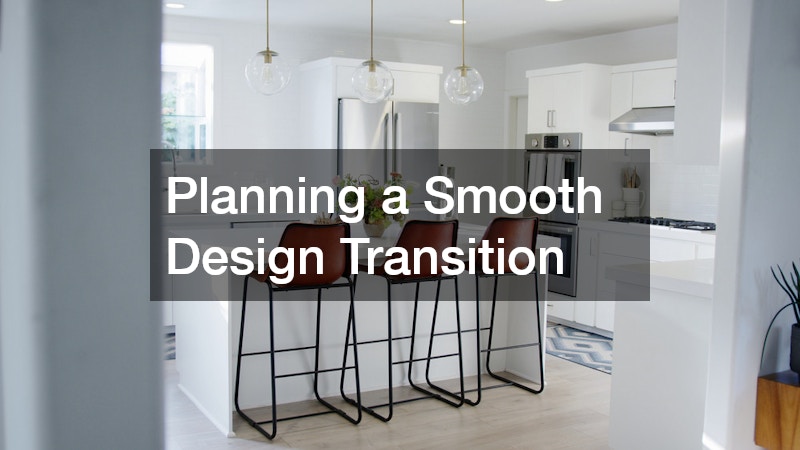
Designing a renovation requires a clear understanding of your goals and the functional needs that any change must support. When homeowners begin home remodeling, they often focus on style inspirations, textures, colors, and materials while overlooking how existing structures may limit or influence certain choices. A thoughtful design process begins with an honest assessment of your space, including its strengths, pain points, and opportunities for improvement. Before committing to specific selections, take time to consider traffic flow, storage needs, lighting, sightlines, and how the space will be used daily. Renovation success often depends on how well the final design supports your lifestyle, not just how visually appealing it is. Creating a cohesive design plan also helps minimize changes mid-project, which is one of the most common causes of delays and complications. Think about long-term durability as well as current trends—timeless choices may serve you better over the years. Working with a designer or architect can also be extremely helpful, especially for major projects involving structural changes. They can ensure proportions, materials, and layout choices support both your home’s architecture and your desired aesthetic. Ultimately, a well-planned design gives your renovation direction and ensures that every decision supports both functionality and style.
Expanding Outdoor Living Spaces
Outdoor spaces have become an increasingly essential part of home functionality, offering areas for entertaining, relaxation, and extended living space. When planning upgrades to patios, balconies, or backyards, many homeowners rely on skilled deck builders to create structures that are safe, long-lasting, and visually unified with the home’s existing architecture. A professionally designed deck should feel like a natural extension of your interior space, blending indoor comfort with outdoor enjoyment. Considering foot traffic patterns, railings, stair placement, and overall dimensions ensures the area remains usable and safe for both small and large gatherings. Materials also play a significant role; while wood remains a popular choice, composite materials offer longer-lasting performance with minimal maintenance. Beyond decking itself, thoughtful planning may include built-in seating, shade structures, lighting, planter boxes, or transitions to garden or lawn areas. Because decks are exposed to sun, rain, moisture, and seasonal changes, proper construction and reinforcement are essential for durability. A well-built outdoor living area can dramatically improve a home’s value and appeal, offering a functional space that encourages outdoor enjoyment year-round. Whether you envision a simple landing or a multi-level deck with integrated features, working with professionals ensures safety, longevity, and aesthetic harmony.
Ensuring Stability When Building Upward

If your renovation involves adding height or expanding vertically, specialized support is essential. Many homeowners planning second-story additions or homes built on uneven landscapes consult elevated home builders who understand the unique challenges associated with raising structures or constructing elevated frameworks. Working at height requires specific planning related to foundation stability, load-bearing capacity, structural reinforcement, and long-term resilience. Builders with experience in elevated designs know how to assess soil conditions, grade variations, moisture exposure, and drainage patterns—factors that significantly influence the safety and longevity of elevated structures. They also understand how to integrate stair access, railing systems, support posts, and structural bracing in ways that align with building codes and homeowner preferences. Elevated construction is not only about function; it can also increase aesthetic impact by improving views, creating usable space underneath, or giving the home additional architectural character. If your renovation includes raising portions of the home, extending upward, or incorporating elevated outdoor features, partnering with experts ensures that the project progresses efficiently and safely. Their guidance helps prevent structural issues down the road and ensures that every layer of your home is designed to handle weight, weather, and long-term use.
Coordinating Professional Labor and Workflow
Renovations involve multiple trades, and efficient coordination is essential for a smooth process. When homeowners begin working with teams providing remodeling services, they often discover how interconnected each stage is, from demolition and cleanup to plumbing, electrical, framing, and finishing. For example, electrical updates must be completed before drywall installation, and plumbing changes should be finalized before flooring is laid. Troubles arise when contractors work out of order or when schedules overlap inefficiently. Professional renovation teams typically create a structured workflow or project timeline, helping ensure that tasks occur in the correct sequence. This approach minimizes downtime and prevents unnecessary rework that can delay completion. Communication between trades is vital to avoid conflicts or misunderstandings, especially when multiple specialists are working on-site simultaneously. Renovations often involve decision-making in real time, so the ability to adjust schedules, inspect progress, and address concerns promptly is crucial. Homeowners benefit from having a centralized project manager or coordinator who maintains oversight and ensures the renovation remains aligned with your goals. The more organized the labor coordination is, the more seamless the renovation will be, helping reduce stress and keep the project moving efficiently toward completion.
Preparing for Moving and Temporary Adjustments

Some renovation projects require areas of the home to be cleared, temporarily relocated, or adjusted to allow contractors access to walls, flooring, or major systems. When renovations are extensive, homeowners may work with apartment movers to help pack, relocate, or temporarily store belongings, particularly during kitchen remodels, structural repairs, or whole-home updates. Renovations can generate dust, debris, and noise, making certain rooms unusable for periods of time. Planning ahead ensures your household remains functional even while work is underway. For families, arranging temporary accommodations or reorganizing living spaces may reduce stress. If your renovation affects bathrooms, utilities, or major access points, moving certain belongings or furniture may protect them from damage and create clear working pathways for contractors. Movers can also help handle heavy or fragile items that need safe transportation to another part of the home or to storage. Rather than rushing to protect your belongings at the last minute, planning your temporary adjustments early keeps the project running smoothly.
Managing Logistics and On-Site Activity
In many renovation projects, homeowners also rely on moving services when renovations require temporary relocation, shifting large quantities of materials, or clearing major sections of the home. These services help manage logistical challenges that arise when contractors need unobstructed access to specific rooms or need space to stage materials, tools, and equipment. Renovations often require the moving of appliances, furniture, and stored items, and doing so safely helps prevent accidents or damage. Coordinating moving logistics before construction begins also allows contractors to work more efficiently since clutter-free environments reduce delays and improve safety. Some renovations require sequencing of movements, such as removing furniture before flooring installation and then reintroducing items after curing or inspection. By integrating moving support into your renovation plan, you reduce stress and ensure that both your household and the workers can proceed without obstacles. Professional movers are trained to handle sensitive and oversized items, making them an important part of maintaining order, especially during complex renovation phases. Prioritizing organization and mobility keeps renovations running smoothly and helps maintain clear communication among all team members involved.
Protecting Outdoor Construction From Moisture
Outdoor renovations often require moisture management systems that prevent water damage and help protect outdoor structures. When upgrading outdoor living spaces, many homeowners consider under deck drainage systems to shield lower levels from rainwater runoff and moisture accumulation. These systems are especially valuable for multi-level decks or when creating functional storage or recreational spaces underneath. Proper drainage ensures that water does not collect on structural beams, supports, or foundations, which can lead to rot, mold, and long-term deterioration. Installing drainage during the renovation phase is far easier and more cost-effective than retrofitting it later. Well-designed drainage also enhances usability by keeping the lower level dry, allowing homeowners to enjoy shaded areas, outdoor seating, or storage solutions without worrying about leaks or puddles.
Improving Hardscape and Exterior Features

Hardscape upgrades play an important role in transforming outdoor areas, offering added functionality, durability, and aesthetic appeal. When enhancing patios, walkways, or decorative surfaces, many homeowners collaborate with stamped concrete contractors to achieve unique patterns and textures that elevate the look of exterior spaces. Stamped concrete can mimic the appearance of brick, stone, tile, or wood, creating a high-end look without the maintenance requirements of natural materials. These surfaces are highly durable, making them ideal for driveways, pool decks, and high-traffic outdoor areas. Their ability to withstand seasonal weather changes makes them a popular option for homeowners looking for long-lasting outdoor upgrades. Design flexibility is one of the greatest advantages of stamped concrete, allowing homeowners to align materials with the broader architectural style of their homes. Professional installation ensures uniformity, proper curing, and finishing techniques that maximize both appearance and longevity. Investing in thoughtful hardscape improvements supports both functionality and property value, creating exterior spaces that feel intentionally designed and cohesive.
Enhancing Structural Stability
When renovations involve concrete work, homeowners often engage residential concrete contractors who specialize in foundations, slabs, sidewalks, footings, and structural reinforcements. Concrete plays a foundational role in construction, supporting the stability and lifespan of your home. Contractors with expertise in residential projects understand how soil conditions, moisture levels, reinforcement materials, and curing processes affect long-term performance. Their work helps prevent cracking, shifting, and water infiltration—issues that can undermine the structural integrity of floors, walls, and load-bearing elements. Even when renovations do not appear to require concrete at first glance, professionals may recommend reinforcement or upgrades to support new loads, improve leveling, or prepare surfaces for additional features such as flooring or expansions. Working with skilled contractors ensures that your renovation remains structurally sound and compliant with local building codes.
Home renovations blend creativity, planning, craftsmanship, and logistics, requiring a thoughtful approach to design, construction, and coordination. From selecting materials and preparing spaces to working with specialized contractors and managing workflow, renovations are a complex but deeply rewarding undertaking. With proper planning, professional collaboration, and organized project coordination, homeowners can transform their living spaces into environments that reflect both personal style and practical needs. By understanding the role of each specialist, anticipating logistical challenges, and prioritizing structural integrity, you can navigate the renovation process with confidence and clarity.