
Xeriscaping is an increasingly popular landscaping technique that is both environmentally sustainable and visually appealing. By utilizing native plants and incorporating water-saving strategies, xeriscaping minimizes the need for artificial irrigation and fertilization. This approach not only benefits the environment but also significantly reduces maintenance costs for homeowners.
Whether you’re looking to make a statement in your neighborhood or simply maintain an eco-friendly garden, xeriscaping is worth considering.
Understanding the Basics of Xeriscaping
At its core, xeriscaping focuses on water conservation. The primary goal is to create a landscape that flourishes with minimal water usage. The first step in xeriscaping is to analyze the specific climate and soil conditions of your area. By understanding these elements, homeowners can select the most appropriate plants that naturally thrive in local conditions without excessive watering.
Xeriscaping isn’t about sacrificing beauty for practicality, but rather finding a harmonious balance between the two. Homeowners can use a variety of textures, colors, and heights in their plant selection to create a dynamic and aesthetically pleasing landscape. Moreover, using mulch and other ground cover materials can help retain soil moisture, keeping the garden vibrant and healthy year-round.
Effective planning is essential to successful xeriscaping. This involves grouping plants with similar water needs and ensuring that irrigation systems are optimally situated. By doing so, homeowners can drastically reduce water usage while maintaining a lush and thriving garden. It’s all about intelligent design and informed choices, both of which play vital roles in the xeriscaping approach.
Selecting Plants for Xeriscaping
Choosing the right plants is critical in xeriscaping to ensure the landscape can flourish with limited water. Local nurseries often offer a variety of drought-resistant plants suitable for xeriscaping. These plants typically have deep root systems that allow them to access water far below the soil surface. Native plants are preferred because they are already adapted to the regional climate and require minimal care.
It’s important to mix and match types of plants to create layers and diversity in the garden. Incorporating a mix of grasses, shrubs, and flowering plants can add visual interest and create a dynamic ecosystem within the landscape. Using plants that bloom at different times of the year ensures that your garden remains colorful and engaging in every season.
Maintenance plays a crucial role in keeping a xeriscape garden looking its best. Regularly checking the health of plants and inspecting the moisture levels of the soil can prevent any potential problems from escalating. It’s also vital to prune and remove any dead plant matter to make way for new growth and to keep the garden tidy and flourishing.
The Environmental and Financial Benefits of Xeriscaping
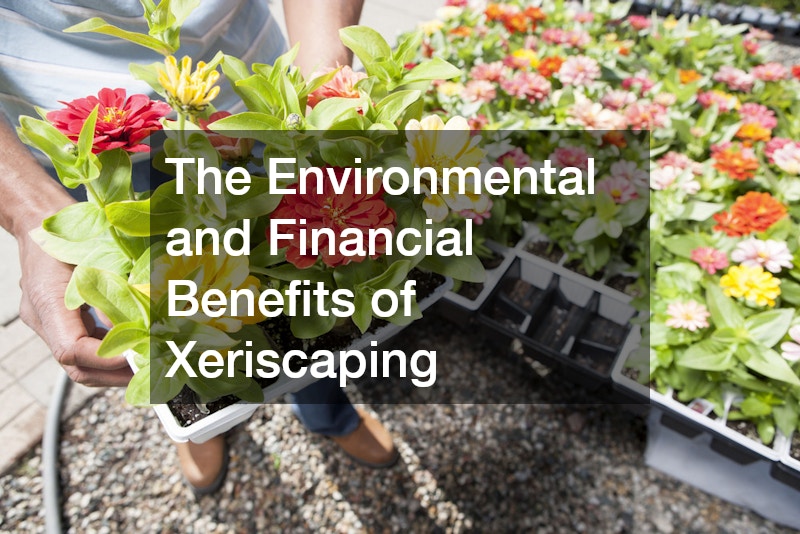
Xeriscaping offers a plethora of environmental benefits, primarily due to its emphasis on water conservation. By reducing dependency on irrigation, xeriscaping conserves one of our most precious natural resources: water. This is particularly relevant in areas suffering from drought and water shortages. In addition, xeriscaping avoids the need for frequent fertilization, reducing chemical runoff into waterways.
Beyond its environmental advantages, xeriscaping is financially beneficial for homeowners. The reduced maintenance required translates to lower water bills and decreased spending on gardening supplies. Long-term, xeriscaping can increase property values by providing a distinctive and attractive landscape that’s also sustainable. It presents a practical way for homeowners to save money while contributing positively to their community.
By adopting xeriscaping practices, homeowners can become more mindful of their environmental impact while enjoying a beautiful and easy-to-manage yard. This eco-friendly approach offers a blueprint for sustainable living that can inspire neighbors and enhance community green spaces. For those committed to creating a greener future, xeriscaping represents an impactful way to align personal beliefs with practical action.