
Buying a forever home is one of the most significant financial and emotional commitments a person can make. It shifts your mindset from short-term patches to long-term solutions, from “good enough for now” to “built to last.” When you know you are staying for decades rather than years, the definition of “home improvement” evolves. It is no longer about surface-level aesthetics or resale value; it is about structural integrity, peace of mind, and the quiet comfort of a dwelling that works with the environment rather than against it.
Weatherproofing is the backbone of that mindset. It is the invisible shield that preserves your investment, ensuring that the “forever” in your home isn’t cut short by preventable decay. True weatherproofing is holistic; it encompasses everything from the way your roof handles a punishing summer storm to the way your foundation manages the silent pressure of groundwater. It is found in the details of how your insulation holds heat during a frigid January night and how your HVAC system breathes during the sweltering humidity of August. By adopting a budget-friendly, proactive approach to these systems, you stop being reactive to the seasons. Instead of waiting for a leak to appear or a draft to chill the living room, you are fortifying the building envelope to prevent those failures before they begin.
Start at the Top: Roofing Materials and Workmanship
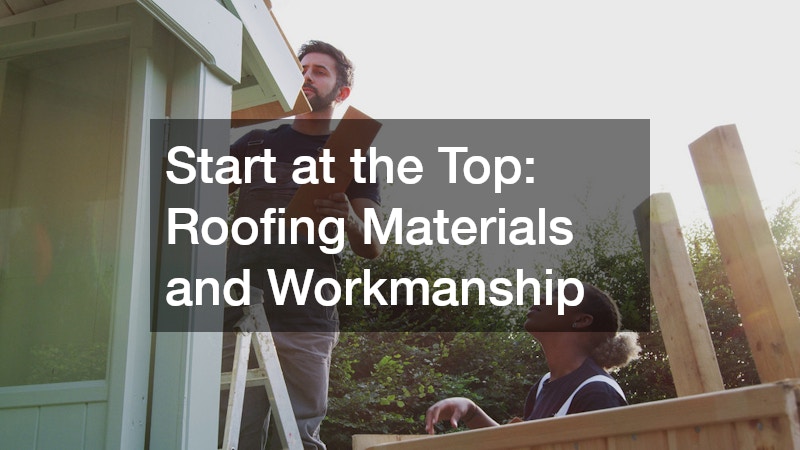
Your roof takes the full brunt of the elements every single day, and its condition has a cascading effect on everything beneath it. A failing roof doesn’t just let in rain; it drives up energy costs, invites mold, and accelerates structural decay. Before you address anything else, get a thorough inspection to evaluate the condition of your shingles, flashing, ridge cap, and gutters. Look for curling edges, granule loss in your gutters, cracked caulking around flashing, or daylight visible through the attic.
When it comes to replacement materials, not all options are created equal. A metal roofer can open your eyes to standing seam systems and metal panels that last 40 to 70 years compared to the 20-year lifespan of standard asphalt shingles. Metal roofing reflects solar radiation, reducing attic heat gain in summer, and it handles snow and ice better than virtually any other material. The upfront cost is higher, but the long-term math almost always favors metal on a forever home.
Material choice only gets you so far, though. The quality of the installation determines how well any system performs over time. When vetting contractors, look for a residential roofing company that provides a manufacturer’s warranty on materials AND a workmanship warranty on labor. Read the fine print on both. A labor warranty that covers only one year is a red flag; reputable companies typically offer five to ten years on their work. Ask for local references, check licensing and insurance, and confirm they have experience installing in your specific climate conditions.
The Critical Role of Roofing in Long-Term Performance
Many homeowners think of the roof as a single entity, but it’s actually a system of components that must work together. Roofing services that specialize in complete system assessments look beyond shingles to evaluate ventilation, underlayment, insulation barriers, and attic airflow. Poor attic ventilation is one of the most common and costly oversights in residential construction. Without adequate airflow, heat and moisture accumulate in the attic, degrading shingles from the inside out and creating the temperature differentials that cause ice dams in cold climates.
A comprehensive roofing inspection should include the following:
- Evaluation of soffit and ridge vent balance for proper airflow
- Inspection of all pipe boots, skylights, and chimney flashing for potential leak points
- Moisture readings in the attic sheathing to detect early rot
- Assessment of insulation depth and coverage at the attic floor
- Review of gutter slope, downspout extension, and drainage adequacy
Scheduling this type of inspection every three to five years, or after any severe weather event, gives you a clear picture of what needs attention before minor issues become major expenses.
Attic and Wall Insulation: Where Efficiency Is Won or Lost
Most homes lose the majority of their conditioned air not through drafty windows but through inadequate insulation, particularly at the attic floor and rim joists. Heat rises, and without a proper thermal barrier at the top of your home, your heating system is essentially conditioning the outdoors. A well-insulated attic can reduce heating and cooling costs by 15 to 25 percent annually.
Commercial insulation products, typically used in industrial and multi-family construction, are increasingly available for residential applications and offer performance advantages worth considering. Closed-cell spray polyurethane foam (SPF), for example, delivers an R-value of approximately 6 to 7 per inch, compared to 3.5 for standard fiberglass batts. It also acts as an air and vapor barrier simultaneously, addressing multiple failure points in a single application. For rim joists, crawl spaces, and hard-to-reach cavities, commercial-grade spray foam is one of the most effective tools available to a homeowner investing in long-term efficiency.
For open attic floors, blown-in cellulose or mineral wool is an excellent choice. They settle evenly, resist airflow, and provide solid R-values at a lower cost than spray foam. When installing either type, make sure ventilation channels at the eaves remain clear so that your roof ventilation system continues to function properly. Blocking these channels negates much of the benefit of adding insulation and accelerates roof deterioration.
Key insulation targets to prioritize in order of impact:
- Attic floor (aim for R-38 to R-60 depending on climate zone)
- Rim joists and band boards at the foundation perimeter
- Exterior wall cavities during any renovation or re-siding project
- Crawl space walls or floor, depending on whether the crawl space is conditioned
- Basement walls for below-grade thermal and moisture control
Foundation Waterproofing: Stopping Water Before It Starts
Water is the most persistent threat your foundation faces. It doesn’t need a crack to infiltrate; hydrostatic pressure alone can push moisture through solid concrete over time. Once moisture gets in, it doesn’t stay in one place. It migrates into framing, flooring, and drywall, creating conditions where biological growth and structural degradation become inevitable.
The first layer of defense is proper grading and drainage. The soil around your foundation should slope away from the house at a minimum of six inches over the first ten feet. Downspouts need extenders that carry water at least six feet from the structure. These are free or nearly free interventions that eliminate a surprising percentage of foundation moisture problems.
For more persistent issues, a waterproofing contractor can assess whether the problem requires an interior or exterior solution. Exterior waterproofing, which involves excavating around the foundation to apply a membrane and install a drainage board and drain tile, is the most comprehensive approach. Interior systems, including channel drains and sump pits, manage water that does get in and redirect it safely out of the home. The right approach depends on your site conditions, soil type, and the source of the intrusion.
What to Do When Water Has Already Gotten In

Even the best-prepared homes can experience water intrusion during extreme weather events. When that happens, the speed of your response is everything. Standing water in a basement or crawl space causes structural damage within 24 to 48 hours and creates conditions for mold growth within 24 to 72 hours under warm conditions.
Calling a water damage company immediately is not an overreaction; it is the correct, time-sensitive response. These specialists use industrial extraction equipment, moisture meters, and desiccant or refrigerant dehumidifiers to remove water and dry out structural materials thoroughly. What looks dry on the surface is often still saturated in framing and subfloor. Professional drying protocols, typically monitored over three to five days, are the only reliable way to confirm that moisture levels have returned to safe baselines.
Ventilation, Air Quality, and Duct Maintenance
One of the less obvious consequences of a well-sealed home is that it traps everything inside, including dust, dander, VOCs, and biological contaminants. This is not a reason to insulate less effectively; it’s a reason to manage your indoor air quality more intentionally. A mechanical ventilation strategy, whether through an energy recovery ventilator (ERV) or a heat recovery ventilator (HRV), introduces fresh filtered air while recovering the thermal energy from the exhaust stream.
Beyond ventilation equipment, your duct system itself requires maintenance that most homeowners overlook. Scheduling professional AC duct cleaning every three to five years removes the particulate buildup that accumulates in supply and return plenums, flex duct, and air handler coils. Dirty ducts restrict airflow, force the system to work harder, and circulate contaminants through every room in the house. After any significant renovation or remediation work, duct cleaning should be considered mandatory, not optional.
Catching Mold Before It Spreads
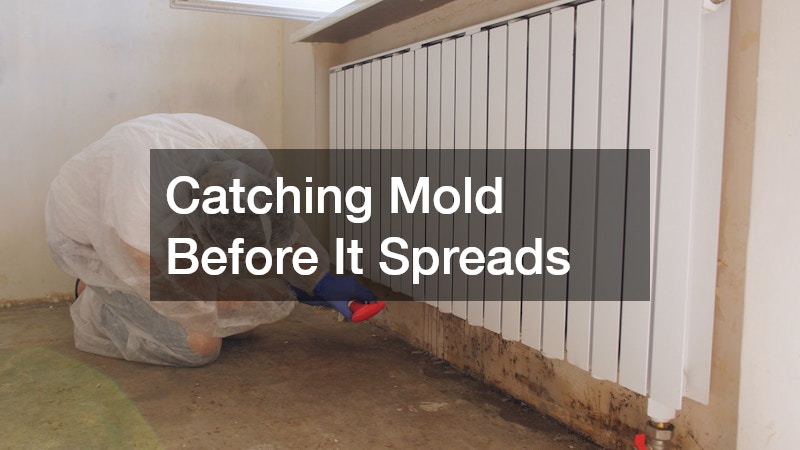
When moisture and inadequate ventilation intersect, mold is often the result. It can grow behind drywall, under flooring, in duct cavities, and above drop ceilings long before it becomes visible. By the time you can see it, the colony is typically much larger than the surface area suggests.
A mold remediation company does more than clean visible growth. A qualified firm will test air and surface samples to identify species and concentration, develop a scope of remediation that includes containment protocols, remove affected materials safely, treat remaining surfaces, and verify clearance through post-remediation testing. Skipping any of these steps risks cross-contamination or recurrence. When selecting a provider, look for firms certified by the Institute of Inspection Cleaning and Restoration Certification (IICRC) or the American Council for Accredited Certification (ACAC).
Upgrading to High-Efficiency Climate Control
A tightly sealed, well-insulated, properly ventilated home dramatically reduces the load your heating and cooling system must handle. This is the ideal time to right-size your mechanical equipment, because an oversized system in an efficient envelope will short-cycle, reducing comfort and lifespan while wasting energy. Conversely, a correctly sized system will run longer, more efficient cycles, better controlling both temperature and humidity.
Heat pump installation is the single most impactful upgrade for most homeowners transitioning to a weatherproofed home. Modern cold-climate heat pumps maintain full heating capacity down to 5°F or even lower, making them viable in regions that previously required gas or oil backup. Because they move heat rather than generate it, they deliver two to four units of heating or cooling energy for every unit of electricity consumed, a performance ratio no combustion system can match. Federal tax credits under the Inflation Reduction Act currently cover 30 percent of installation costs up to applicable limits, which substantially improves the financial case.
Selecting the Right HVAC Partner
Equipment quality matters, but it accounts for only part of the outcome. Installation quality, equipment sizing, and duct design determine how the system actually performs in your home. Getting multiple quotes from local HVAC companies is essential, not just to compare prices, but to compare their technical approach. Ask each contractor whether they will perform a Manual J load calculation. This is the industry-standard method for determining the correct equipment size based on your home’s envelope performance, and it should be non-negotiable after completing insulation and air sealing upgrades.
What to look for when evaluating HVAC contractors:
- NATE-certified technicians on staff
- Willingness to perform Manual J load calculations before sizing equipment
- Manufacturer training or certification for the brands they install
- Detailed written quotes that specify equipment model, efficiency ratings, and warranty terms
- References from similar projects in your climate zone
Weatherproofing a forever home is not a single project with a finish line. It’s a layered, evolving strategy that builds on itself over time. Some improvements, like extending downspouts and sealing rim joists, cost almost nothing and can be done on a weekend. Others, like a full roof replacement or foundation waterproofing system, require professional expertise and a longer planning horizon.
The most effective approach is to start with a whole-home assessment, understand which systems are performing and which are vulnerable, and build a prioritized plan that matches your budget and timeline. Each improvement you make compounds the value of the others. A tighter building envelope makes your HVAC more efficient. Better HVAC control reduces condensation risk. Less moisture means less mold potential. It’s a system, and every upgrade strengthens the whole. Your forever home deserves that kind of thinking from the start.
