Every family home has vulnerable points where fire risk quietly builds, from aging wiring to overlooked detection systems. The good news is that most fire hazards are preventable with the right upgrades and a bit of planning. This guide walks through practical, room-by-room improvements that strengthen your home’s defenses without requiring a complete renovation. Whether you are updating an older property or fine-tuning a newer one, these steps will help you protect the people and belongings you care about most.
Install and Maintain Working Smoke Detection Systems
A functioning detection system is the single most important fire safety upgrade any household can make, since early warning gives families precious extra minutes to escape. Modern fire alarms now come with interconnected wireless technology, meaning if one unit senses smoke, every alarm in the house sounds simultaneously. This is especially valuable in larger homes or multi-story layouts where a fire in the basement might otherwise go unnoticed by someone sleeping upstairs. Replacing outdated units and testing batteries regularly should become a standing item on your home maintenance calendar.
- Install detectors in every bedroom, hallway, and common living area
- Choose interconnected fire alarms so all units trigger together
- Test batteries monthly and replace them at least once a year
- Replace entire detector units every 8 to 10 years
- Consider models with voice alerts for children or elderly residents
Upgrade Electrical Panels and Outlets to Reduce Overload Risk
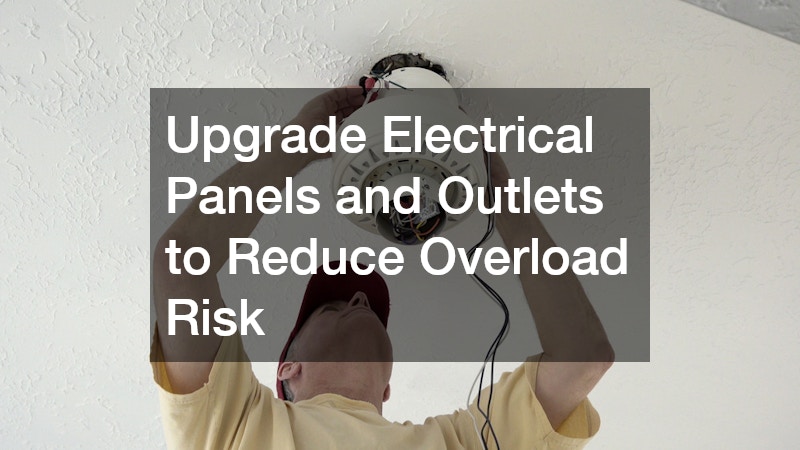
Faulty wiring and overloaded circuits are among the leading causes of residential fires, particularly in homes built before modern electrical codes were established. Homes wired more than 30 years ago often have panels rated for 60 or 100 amps, well below the 150 to 200 amps that today’s households need to run HVAC systems, appliances, and multiple electronics simultaneously. If your breaker box frequently trips or you notice warm outlets, flickering lights, or a persistent burning smell, these are signs your electrical system needs professional attention.
An electrician can assess whether your panel needs a full upgrade or just targeted repairs, and can also check for outdated components like fuse boxes or aluminum wiring, both known fire hazards. Aluminum wiring, common in homes built in the 1960s and 70s, is especially prone to loosening at connection points and overheating over time.
Tamper-resistant outlets and arc-fault circuit interrupters (AFCIs) add another layer of protection, especially in homes with young children. Tamper-resistant outlets use an internal shutter mechanism to block objects like keys or hairpins from being inserted into the slots, while AFCIs detect the irregular electrical signatures of arcing faults and cut power before they can ignite surrounding materials. The National Electrical Code now requires AFCI protection in most living areas of new construction, and retrofitting older homes with these devices typically costs a few hundred dollars per circuit.
Addressing these issues proactively is far less disruptive, and far less costly, than dealing with fire damage later. A panel upgrade or rewiring project usually takes one to three days, compared to the months of repairs, temporary housing, and insurance claims that often follow an electrical fire.
- Watch for flickering lights, warm outlet covers, or a faint burning smell — these often signal overloaded circuits or loose wiring
- Notice frequently tripping breakers or outlets that spark when you plug something in, both signs a panel upgrade may be overdue
- Ask an electrician about arc-fault circuit interrupters (AFCIs) for bedrooms and living areas, since they detect dangerous arcing before it ignites nearby materials
- Consider ground-fault circuit interrupters (GFCIs) for kitchens, bathrooms, and garages to guard against shock near water
- Avoid daisy-chaining extension cords or power strips long term; if you rely on them daily, that’s a sign you need more permanent outlets installed
- Check your panel’s amperage — many older homes run on 60-100 amp service, which struggles to support modern appliances and electronics
- Schedule a full panel inspection if your home is over 25 years old, especially if it still uses fuses instead of circuit breakers
- Have an electrician confirm your panel isn’t a recalled or fire-prone brand, such as certain older Federal Pacific or Zinsco models
Protect Your Home’s Structural Systems From Fire Spread
Fire safety is not only about detection and suppression, it also depends on how well a home’s physical structure resists and contains flames. An affordable roofing upgrade using fire-rated materials like asphalt shingles with a Class A rating can significantly slow the spread of fire from embers or nearby wildfires. Similarly, a compromised foundation can create gaps and voids that allow fire and smoke to travel between floors or into crawl spaces. Investing in foundation repair when you notice cracking or settling not only protects your home’s stability but also helps maintain the fire-resistant barriers built into your structure.
- Choose Class A fire-rated roofing materials when replacing an old roof
- Seal foundation cracks promptly to prevent smoke and heat infiltration
- Clear debris and leaves from roof valleys and gutters seasonally
- Inspect attic insulation for fire-retardant certification
Keep Bedrooms and Sleeping Areas Fire Safe
Because most fatal house fires happen at night while people sleep, bedrooms deserve special attention when planning safety upgrades. Flammable bedding materials and older mattresses can ignite quickly and burn at high temperatures, so it is worth checking whether your mattresses meet current federal flammability standards. Newer mattresses are required to resist open flame for a specific period, giving occupants more time to wake and respond. Pairing safer bedding choices with a working smoke detector in every bedroom creates a much stronger safety net overnight.
- Check mattress labels for compliance with federal flammability standards
- Avoid placing space heaters near bedding or curtains
- Keep bedroom doors closed at night to slow fire and smoke spread
- Replace mattresses older than 10 years, especially in children’s rooms
Maintain Generators and Backup Power Sources Safely
Home generators provide critical backup power during storms, but improperly maintained units are a genuine fire risk. Fuel leaks, overheating components, and faulty wiring connections are common culprits, which is why scheduling regular generator repairs is essential rather than optional. A quick annual inspection can catch cracked fuel lines, corroded battery terminals, or worn-out spark plugs before they turn into a hazard during the next power outage.
Placement matters just as much as maintenance. Position portable generators at least 20 feet from your home, with the exhaust pointed away from windows and doors, and never operate one inside a garage or enclosed space, even with the door open. Carbon monoxide buildup and fire risk both increase dramatically indoors, and CO detectors near sleeping areas add an extra layer of protection.
Fuel storage deserves careful attention too. Keep gasoline or propane in approved, clearly labeled containers, stored away from living spaces and any heat source, and always let the engine cool completely before refueling. Overfilling the tank or spilling fuel onto a hot engine is one of the most common causes of generator-related fires.
Keeping your unit serviced and stored properly, with clean filters, fresh oil, and a dry, ventilated storage spot, ensures it works safely when you need it most.
- Run generators only outdoors, at least 20 feet from windows and doors, with exhaust pointed away from the house
- Install a battery-powered carbon monoxide detector inside as a backup safeguard, even when following placement rules
- Schedule annual maintenance checks before storm season, including oil changes, filter checks, and a test run under load
- Store fuel in approved, labeled containers away from living spaces, garages attached to the home, and any heat sources
- Rotate stored fuel every 6-12 months, since gasoline degrades and can clog engines or fail when you need power most
- Address unusual noises, smells, or smoke immediately rather than waiting, and shut down the unit if anything seems off
- Consider a transfer switch for whole-home backup systems to prevent dangerous backfeed into utility lines during outages
Reduce Fire Risk in Outdoor Living Spaces
Outdoor additions like patios and porches are wonderful for family time, but they introduce their own fire considerations, particularly around wiring, heating elements, and grilling equipment. An enclosed screened porch with electrical outlets or overhead lighting should be inspected periodically to ensure wiring is rated for outdoor exposure and properly protected from moisture. Keep flammable furniture cushions and decorations away from any heat sources, including string lights left on for extended periods. Outdoor spaces should follow the same safety standards as the interior of your home.
- Use outdoor-rated extension cords and outlets in screened areas
- Keep grills and fire pits at least 10 feet from the structure
- Store propane tanks away from direct sunlight and enclosed spaces
- Inspect outdoor lighting wiring annually for wear or rodent damage
Service Garage Doors and Attached Structures for Fire Safety
Garages often store flammable materials like paint, gasoline, and cleaning chemicals, making them a higher-risk zone within the home. A malfunctioning garage door can also become a safety liability during an emergency evacuation if it fails to open manually when power is lost. Working with local garage door services to ensure your door has a functioning manual release and smooth operation adds an important layer of preparedness. Storing chemicals in proper containers away from heat sources further reduces the risk of accidental ignition.
- Confirm your garage door has a working manual release lever
- Store flammable liquids in approved, labeled containers
- Keep garages ventilated and free of unnecessary clutter
- Test the garage door opener’s safety reverse feature regularly
Address HVAC and Ventilation Systems That Can Fuel Fires
Heating and cooling systems that are poorly maintained can overheat, spark, or circulate smoke throughout a home faster than expected. Dirty filters, blocked vents, and aging compressors put extra strain on the system, so scheduling routine AC repair helps catch small mechanical issues before they escalate into bigger hazards. Dust buildup inside ductwork is also surprisingly flammable and can act as fuel if a fire starts nearby. Keeping HVAC systems clean and professionally serviced supports both air quality and fire safety.
- Change HVAC filters every 60 to 90 days
- Schedule professional duct cleaning every few years
- Keep outdoor AC units clear of leaves and debris
- Have wiring connections checked during routine service visits
Manage Septic and Utility Systems to Prevent Hidden Hazards
It is easy to overlook underground utilities when thinking about fire safety, but neglected systems can create indirect risks around your property. A septic system that has not received a septic pumping service in years can back up and cause structural damage, sometimes affecting nearby electrical lines or utility connections buried in the same area. Keeping these systems maintained protects your yard’s infrastructure and prevents costly emergency repairs that can complicate other safety projects. A well-maintained property is a safer property from the ground up.
- Schedule septic pumping every 3 to 5 years depending on household size
- Keep records of utility line locations before digging or landscaping
- Watch for soggy patches or odors that signal septic issues
- Coordinate utility inspections when doing major yard work
Plan Ahead When Moving Into a New or Older Home
Whether you are relocating across town or across the country, moving day is the perfect opportunity to evaluate a new property’s fire safety before you settle in fully. Experienced movers often see firsthand how older homes may have outdated wiring, missing detectors, or blocked escape routes, so it is worth asking about the home’s fire safety history during your walkthrough. Before furniture and boxes fill every room, take time to test alarms, locate escape routes, and identify potential hazards while the space is still relatively open. Starting your time in a new home with a fire safety checklist sets a strong foundation for the years ahead.
- Test all smoke detectors before moving furniture in
- Map at least two escape routes from every room
- Locate the main electrical panel and gas shutoff valve early
- Ask previous owners or agents about past fire safety updates
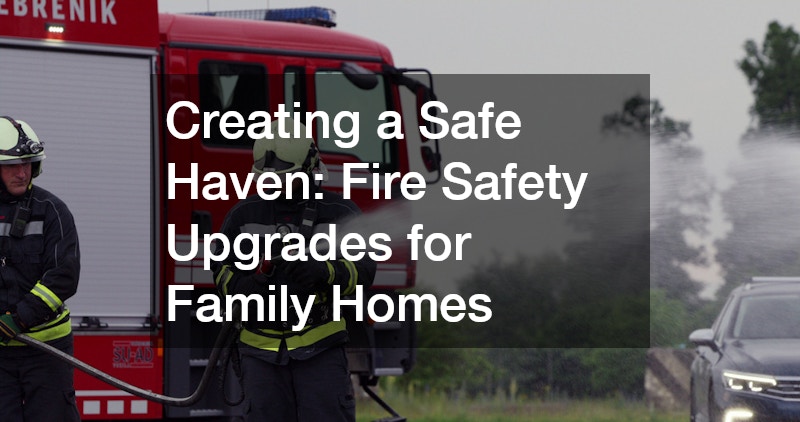
Fire safety is not a single project but an ongoing commitment that touches nearly every system in your home, from wiring and roofing to outdoor spaces and utilities. Small, consistent upgrades add up to meaningful protection for your family over time. Start with the highest-impact changes, like updating detection systems and addressing electrical concerns, then work through the rest of this list as your budget allows. Taking action now, rather than after an incident, is the surest way to keep your home a genuine safe haven.
Every family home has vulnerable points where fire risk quietly builds, from aging wiring to overlooked detection systems. The good news is that most fire hazards are preventable with the right upgrades and a bit of planning. This guide walks through practical, room-by-room improvements that strengthen your home’s defenses without requiring a complete renovation. Whether you are updating an older property or fine-tuning a newer one, these steps will help you protect the people and belongings you care about most.
Install and Maintain Working Smoke Detection Systems
A functioning detection system is the single most important fire safety upgrade any household can make, since early warning gives families precious extra minutes to escape. Modern fire alarms now come with interconnected wireless technology, meaning if one unit senses smoke, every alarm in the house sounds simultaneously. This is especially valuable in larger homes or multi-story layouts where a fire in the basement might otherwise go unnoticed by someone sleeping upstairs. Replacing outdated units and testing batteries regularly should become a standing item on your home maintenance calendar.
- Install detectors in every bedroom, hallway, and common living area
- Choose interconnected fire alarms so all units trigger together
- Test batteries monthly and replace them at least once a year
- Replace entire detector units every 8 to 10 years
- Consider models with voice alerts for children or elderly residents
Upgrade Electrical Panels and Outlets to Reduce Overload Risk
Faulty wiring and overloaded circuits are among the leading causes of residential fires, particularly in homes built before modern electrical codes were established. Homes wired more than 30 years ago often have panels rated for 60 or 100 amps, well below the 150 to 200 amps that today’s households need to run HVAC systems, appliances, and multiple electronics simultaneously. If your breaker box frequently trips or you notice warm outlets, flickering lights, or a persistent burning smell, these are signs your electrical system needs professional attention.
An electrician can assess whether your panel needs a full upgrade or just targeted repairs, and can also check for outdated components like fuse boxes or aluminum wiring, both known fire hazards. Aluminum wiring, common in homes built in the 1960s and 70s, is especially prone to loosening at connection points and overheating over time.
Tamper-resistant outlets and arc-fault circuit interrupters (AFCIs) add another layer of protection, especially in homes with young children. Tamper-resistant outlets use an internal shutter mechanism to block objects like keys or hairpins from being inserted into the slots, while AFCIs detect the irregular electrical signatures of arcing faults and cut power before they can ignite surrounding materials. The National Electrical Code now requires AFCI protection in most living areas of new construction, and retrofitting older homes with these devices typically costs a few hundred dollars per circuit.
Addressing these issues proactively is far less disruptive, and far less costly, than dealing with fire damage later. A panel upgrade or rewiring project usually takes one to three days, compared to the months of repairs, temporary housing, and insurance claims that often follow an electrical fire.
- Watch for flickering lights, warm outlet covers, or a faint burning smell — these often signal overloaded circuits or loose wiring
- Notice frequently tripping breakers or outlets that spark when you plug something in, both signs a panel upgrade may be overdue
- Ask an electrician about arc-fault circuit interrupters (AFCIs) for bedrooms and living areas, since they detect dangerous arcing before it ignites nearby materials
- Consider ground-fault circuit interrupters (GFCIs) for kitchens, bathrooms, and garages to guard against shock near water
- Avoid daisy-chaining extension cords or power strips long term; if you rely on them daily, that’s a sign you need more permanent outlets installed
- Check your panel’s amperage — many older homes run on 60-100 amp service, which struggles to support modern appliances and electronics
- Schedule a full panel inspection if your home is over 25 years old, especially if it still uses fuses instead of circuit breakers
- Have an electrician confirm your panel isn’t a recalled or fire-prone brand, such as certain older Federal Pacific or Zinsco models
Protect Your Home’s Structural Systems From Fire Spread
Fire safety is not only about detection and suppression, it also depends on how well a home’s physical structure resists and contains flames. An affordable roofing upgrade using fire-rated materials like asphalt shingles with a Class A rating can significantly slow the spread of fire from embers or nearby wildfires. Similarly, a compromised foundation can create gaps and voids that allow fire and smoke to travel between floors or into crawl spaces. Investing in foundation repair when you notice cracking or settling not only protects your home’s stability but also helps maintain the fire-resistant barriers built into your structure.
- Choose Class A fire-rated roofing materials when replacing an old roof
- Seal foundation cracks promptly to prevent smoke and heat infiltration
- Clear debris and leaves from roof valleys and gutters seasonally
- Inspect attic insulation for fire-retardant certification
Keep Bedrooms and Sleeping Areas Fire Safe
Because most fatal house fires happen at night while people sleep, bedrooms deserve special attention when planning safety upgrades. Flammable bedding materials and older mattresses can ignite quickly and burn at high temperatures, so it is worth checking whether your mattresses meet current federal flammability standards. Newer mattresses are required to resist open flame for a specific period, giving occupants more time to wake and respond. Pairing safer bedding choices with a working smoke detector in every bedroom creates a much stronger safety net overnight.
- Check mattress labels for compliance with federal flammability standards
- Avoid placing space heaters near bedding or curtains
- Keep bedroom doors closed at night to slow fire and smoke spread
- Replace mattresses older than 10 years, especially in children’s rooms
Maintain Generators and Backup Power Sources Safely
Home generators provide critical backup power during storms, but improperly maintained units are a genuine fire risk. Fuel leaks, overheating components, and faulty wiring connections are common culprits, which is why scheduling regular generator repairs is essential rather than optional. A quick annual inspection can catch cracked fuel lines, corroded battery terminals, or worn-out spark plugs before they turn into a hazard during the next power outage.
Placement matters just as much as maintenance. Position portable generators at least 20 feet from your home, with the exhaust pointed away from windows and doors, and never operate one inside a garage or enclosed space, even with the door open. Carbon monoxide buildup and fire risk both increase dramatically indoors, and CO detectors near sleeping areas add an extra layer of protection.
Fuel storage deserves careful attention too. Keep gasoline or propane in approved, clearly labeled containers, stored away from living spaces and any heat source, and always let the engine cool completely before refueling. Overfilling the tank or spilling fuel onto a hot engine is one of the most common causes of generator-related fires.
Keeping your unit serviced and stored properly, with clean filters, fresh oil, and a dry, ventilated storage spot, ensures it works safely when you need it most.
- Run generators only outdoors, at least 20 feet from windows and doors, with exhaust pointed away from the house
- Install a battery-powered carbon monoxide detector inside as a backup safeguard, even when following placement rules
- Schedule annual maintenance checks before storm season, including oil changes, filter checks, and a test run under load
- Store fuel in approved, labeled containers away from living spaces, garages attached to the home, and any heat sources
- Rotate stored fuel every 6-12 months, since gasoline degrades and can clog engines or fail when you need power most
- Address unusual noises, smells, or smoke immediately rather than waiting, and shut down the unit if anything seems off
- Consider a transfer switch for whole-home backup systems to prevent dangerous backfeed into utility lines during outages
Reduce Fire Risk in Outdoor Living Spaces
Outdoor additions like patios and porches are wonderful for family time, but they introduce their own fire considerations, particularly around wiring, heating elements, and grilling equipment. An enclosed screened porch with electrical outlets or overhead lighting should be inspected periodically to ensure wiring is rated for outdoor exposure and properly protected from moisture. Keep flammable furniture cushions and decorations away from any heat sources, including string lights left on for extended periods. Outdoor spaces should follow the same safety standards as the interior of your home.
- Use outdoor-rated extension cords and outlets in screened areas
- Keep grills and fire pits at least 10 feet from the structure
- Store propane tanks away from direct sunlight and enclosed spaces
- Inspect outdoor lighting wiring annually for wear or rodent damage
Service Garage Doors and Attached Structures for Fire Safety
Garages often store flammable materials like paint, gasoline, and cleaning chemicals, making them a higher-risk zone within the home. A malfunctioning garage door can also become a safety liability during an emergency evacuation if it fails to open manually when power is lost. Working with local garage door services to ensure your door has a functioning manual release and smooth operation adds an important layer of preparedness. Storing chemicals in proper containers away from heat sources further reduces the risk of accidental ignition.
- Confirm your garage door has a working manual release lever
- Store flammable liquids in approved, labeled containers
- Keep garages ventilated and free of unnecessary clutter
- Test the garage door opener’s safety reverse feature regularly
Address HVAC and Ventilation Systems That Can Fuel Fires
Heating and cooling systems that are poorly maintained can overheat, spark, or circulate smoke throughout a home faster than expected. Dirty filters, blocked vents, and aging compressors put extra strain on the system, so scheduling routine AC repair helps catch small mechanical issues before they escalate into bigger hazards. Dust buildup inside ductwork is also surprisingly flammable and can act as fuel if a fire starts nearby. Keeping HVAC systems clean and professionally serviced supports both air quality and fire safety.
- Change HVAC filters every 60 to 90 days
- Schedule professional duct cleaning every few years
- Keep outdoor AC units clear of leaves and debris
- Have wiring connections checked during routine service visits
Manage Septic and Utility Systems to Prevent Hidden Hazards
It is easy to overlook underground utilities when thinking about fire safety, but neglected systems can create indirect risks around your property. A septic system that has not received a septic pumping service in years can back up and cause structural damage, sometimes affecting nearby electrical lines or utility connections buried in the same area. Keeping these systems maintained protects your yard’s infrastructure and prevents costly emergency repairs that can complicate other safety projects. A well-maintained property is a safer property from the ground up.
- Schedule septic pumping every 3 to 5 years depending on household size
- Keep records of utility line locations before digging or landscaping
- Watch for soggy patches or odors that signal septic issues
- Coordinate utility inspections when doing major yard work
Plan Ahead When Moving Into a New or Older Home
Whether you are relocating across town or across the country, moving day is the perfect opportunity to evaluate a new property’s fire safety before you settle in fully. Experienced movers often see firsthand how older homes may have outdated wiring, missing detectors, or blocked escape routes, so it is worth asking about the home’s fire safety history during your walkthrough. Before furniture and boxes fill every room, take time to test alarms, locate escape routes, and identify potential hazards while the space is still relatively open. Starting your time in a new home with a fire safety checklist sets a strong foundation for the years ahead.
- Test all smoke detectors before moving furniture in
- Map at least two escape routes from every room
- Locate the main electrical panel and gas shutoff valve early
- Ask previous owners or agents about past fire safety updates
Fire safety is not a single project but an ongoing commitment that touches nearly every system in your home, from wiring and roofing to outdoor spaces and utilities. Small, consistent upgrades add up to meaningful protection for your family over time. Start with the highest-impact changes, like updating detection systems and addressing electrical concerns, then work through the rest of this list as your budget allows. Taking action now, rather than after an incident, is the surest way to keep your home a genuine safe haven.