Maintaining the exterior of a home is about far more than appearances. The outside of a property serves as its first line of defense against weather, environmental stress, and gradual wear that can compromise safety and long-term value. From structural components to surrounding landscapes, every exterior element works together to protect what’s inside while shaping how the home functions day to day. When exterior upkeep is overlooked, small issues can quietly grow into costly and disruptive problems.
A proactive approach to exterior care helps homeowners stay ahead of damage rather than reacting to it. Seasonal changes, moisture exposure, and natural aging all place pressure on outdoor surfaces and systems over time. Understanding how different exterior services support durability, safety, and performance allows homeowners to make informed decisions and prioritize maintenance more effectively. With the right attention and planning, the exterior of a home can remain resilient, functional, and visually appealing for years to come.
The Importance of Exterior Home Maintenance
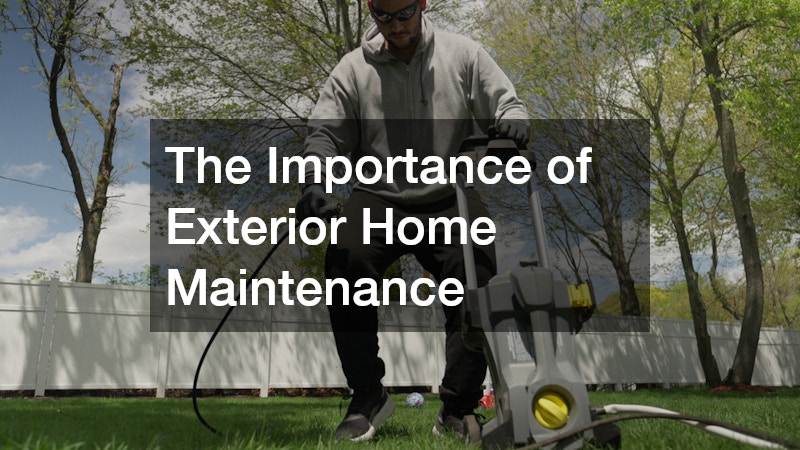
Exterior maintenance plays a critical role in preserving the structural integrity of a home. Natural elements such as wind, rain, sunlight, and temperature fluctuations continuously interact with outdoor materials, gradually weakening them if left unaddressed. Regular upkeep helps prevent deterioration, supports proper drainage, and reduces the likelihood of moisture intrusion that can lead to interior damage. A well-maintained exterior also contributes to consistent energy efficiency by minimizing gaps, cracks, and exposure points.
Beyond protection, exterior maintenance supports overall property value. Homes that show signs of neglect on the outside often raise concerns for buyers and inspectors alike, even if interior spaces are well cared for. Maintaining exterior components sends a signal that the property has been responsibly managed, which can influence resale potential and long-term equity. Attention to outdoor elements ensures that the home continues to function as a cohesive system rather than a collection of isolated parts.
Landscape features also play a key role in exterior health, particularly when it comes to managing growth and preventing physical interference with structures. Overgrown branches, unstable roots, and declining vegetation can introduce risks that aren’t always immediately visible. Proper tree care helps maintain healthy growth patterns, reduces the chance of falling limbs, and protects nearby roofing, siding, and walkways. In addition to preventing damage, thoughtful landscape maintenance enhances usability and visual consistency. Healthy trees provide shade, improve drainage, and contribute to curb appeal when properly managed. Regular evaluation allows potential issues to be identified early, before they affect foundations, exterior finishes, or underground systems. Incorporating landscape oversight into routine exterior maintenance helps homeowners protect their property while preserving its natural character.
Protecting Structural Elements From Wear
Structural elements are designed to withstand environmental stress, but they are not immune to gradual wear. Over time, exposure to moisture, debris, and temperature shifts can weaken protective layers and create vulnerabilities. Addressing these risks early helps maintain the strength and stability of exterior components that support the rest of the home. Consistent inspections and maintenance are essential for identifying subtle signs of deterioration before they escalate.
Weather-related damage is one of the most common causes of exterior structural issues. Heavy rain, snow accumulation, and prolonged sun exposure can all affect materials differently, accelerating aging when maintenance is delayed. Protective surfaces and coverings must remain intact to shield underlying layers from water infiltration and decay. When these safeguards fail, damage often spreads beyond the visible surface, increasing repair complexity and cost.
Roofing systems are particularly important in preventing widespread structural problems. As the primary barrier against precipitation, the roof must remain secure and properly sealed to function effectively. Working with a qualified roofer ensures that vulnerable areas such as flashing, edges, and penetrations are addressed correctly.
Managing Water and Drainage Around the Home
Water management is one of the most important yet often overlooked aspects of exterior maintenance. When rainwater and runoff are not directed away from the home properly, moisture can collect near foundations, seep into basements, and erode surrounding soil. Over time, this excess moisture can weaken structural materials and create conditions that invite mold growth and surface deterioration. Effective drainage supports the long-term stability of the home by controlling where water flows and how quickly it disperses.
Seasonal changes place additional pressure on drainage systems as heavy rainfall, melting snow, and debris accumulation increase the risk of overflow. Leaves, sediment, and organic matter can block pathways that are meant to channel water safely away. Without regular attention, minor drainage issues can escalate into foundation settling, cracked walkways, and damaged exterior finishes. Maintaining clear and functional water pathways is essential for protecting both the structure and the surrounding landscape.
A properly designed gutter installation system plays a central role in controlling roof runoff and guiding water away from vulnerable areas. When gutters are correctly sized, securely attached, and free of obstructions, they reduce the risk of water pooling near the home’s base. Downspouts that extend water far from foundations further protect both the structure and the surrounding landscaping.
Routine inspections help identify sagging sections, loose fasteners, or misaligned components before they cause problems. Addressing these issues promptly helps maintain consistent drainage performance throughout the year. By prioritizing water control as part of exterior care, homeowners can reduce long-term repair needs and protect the integrity of their property from the ground up.
Preventing Damage From Weather Exposure
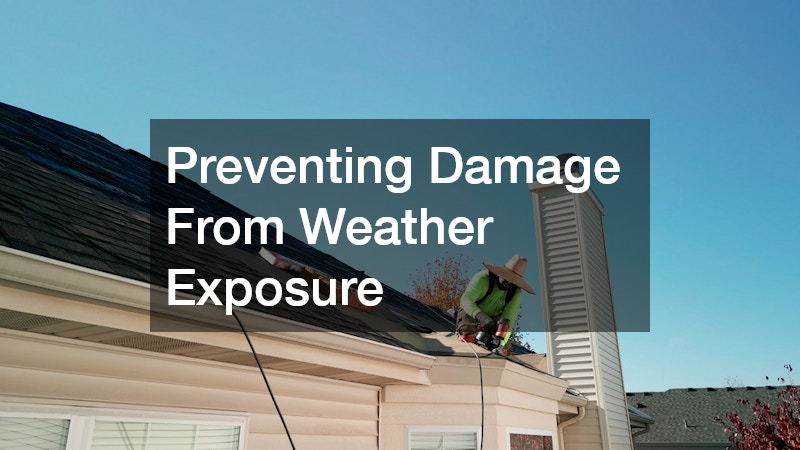
Weather exposure affects every exterior surface, regardless of climate. Sunlight can fade finishes and dry out materials, while wind-driven rain can force moisture into small gaps and seams. Repeated freeze and thaw cycles further stress exterior components, causing expansion and contraction that leads to cracking over time. Proactive maintenance helps reduce the cumulative impact of these environmental forces and preserves exterior durability.
Different materials respond to weather in different ways, which makes regular monitoring especially important. Wood may absorb moisture and swell, metal can corrode, and masonry may develop hairline fractures that worsen with exposure. Without intervention, these issues can spread and compromise surrounding materials. Addressing weather-related wear early allows homeowners to reinforce weak points before they result in larger structural or cosmetic damage.
Weather exposure can also create conditions that attract unwanted activity around the home. Damp areas, hidden gaps, and decaying materials often provide shelter and access points for insects and small animals. A reliable pest control service helps identify and address vulnerabilities that may not be obvious during routine exterior inspections.
Maintaining Outdoor Surfaces and Features
Outdoor surfaces and built-in features contribute significantly to both function and appearance. Walkways, retaining elements, and decorative features help define how exterior spaces are used while supporting accessibility and flow. Over time, exposure to foot traffic, weather, and natural settling can cause surfaces to shift, crack, or become uneven. Regular maintenance ensures these areas remain safe, usable, and visually cohesive.
Neglected outdoor surfaces can quickly become safety hazards. Uneven paths increase the risk of trips and falls, while shifting materials may allow water to pool in unintended areas. Addressing wear early helps prevent small imperfections from becoming major structural concerns. Thoughtful upkeep preserves the usability of exterior spaces while extending the life of the materials used to create them.
Permanent exterior features often require specialized attention due to their structural role and integration with the landscape. Hardscaping elements such as stonework and pavers must be properly supported and maintained to remain stable over time.
Regular evaluations allow problem areas to be corrected before they compromise nearby surfaces or structures. Proper care also helps outdoor features continue to complement the home’s design rather than detract from it. By maintaining these elements with intention, homeowners can protect both the function and appearance of their exterior spaces for the long term.
Preserving Functional Outdoor Living Areas
Outdoor living areas extend the usable space of a home and play a key role in how homeowners relax, entertain, and connect with their surroundings. These spaces are constantly exposed to weather, temperature shifts, and regular use, which can gradually affect their comfort and safety. Without routine attention, surfaces may become worn, unstable, or visually disconnected from the rest of the exterior. Ongoing care helps ensure these areas remain inviting and functional throughout the year.
Maintaining outdoor living spaces also supports long-term durability. Small issues such as surface cracks, drainage problems, or material separation can worsen when ignored, leading to costly repairs or reduced usability. Regular evaluations allow homeowners to address wear patterns early and preserve both comfort and appearance. When outdoor areas are well-maintained, they continue to serve as seamless extensions of the home rather than seasonal afterthoughts.
Spaces designed for gathering and relaxation benefit from focused upkeep that considers both structure and surface performance. Patios in particular require attention to stability, drainage, and material condition to remain safe and visually appealing.
Addressing Safety Concerns Outside the Home
Safety is a critical consideration in exterior maintenance, as many outdoor systems involve movement, access points, or mechanical components. When these elements are not functioning properly, they can pose risks to residents, visitors, and property. Regular inspections help identify potential hazards before they lead to accidents or operational failures. A secure exterior environment supports daily convenience while reducing liability concerns.
Wear and tear often develops gradually, making safety issues easy to overlook. Misalignment, weakened hardware, or delayed responses from mechanical systems can signal underlying problems. Environmental exposure accelerates this process, especially when components are frequently used or exposed to moisture and debris. Addressing these concerns early helps maintain reliable performance and prevents sudden breakdowns.
Entry points that rely on mechanical operation require particular attention due to their size and frequency of use. Garage door repairs address issues such as worn components, sensor malfunctions, or balance problems that can compromise safety. Routine maintenance reduces strain on moving parts and supports consistent performance over time. Addressing minor issues promptly can prevent more serious mechanical failures and extend system lifespan.
Enhancing Exterior Durability and Stability
Durability and stability are foundational to a home’s exterior performance. Structural boundaries and protective elements help define property lines while shielding outdoor spaces from environmental stress. When these components weaken, the exterior can become more vulnerable to wind, shifting soil, and gradual material fatigue. Maintaining stability supports long-term resilience and consistent functionality.
Exterior boundaries also contribute to privacy and organization, shaping how outdoor areas are used and protected. Over time, exposure to weather and ground movement can affect alignment and strength. Regular evaluation helps ensure these elements remain secure and capable of withstanding external pressures. Proactive care reduces the risk of leaning, gaps, or material failure that can affect nearby features.
Protective boundary structures require targeted attention due to their constant exposure and structural role. Fencing helps establish security while supporting safety and visual cohesion across the property. Addressing issues early supports consistent performance and reduces the need for full replacement. Well-maintained boundaries also enhance the overall exterior by reinforcing structure and organization. When durability is prioritized, these elements continue to provide reliable protection and visual balance over time.
Supporting Exterior-to-Interior Transitions
The areas where the exterior of a home meets interior spaces play a crucial role in comfort, durability, and daily usability. Entryways, thresholds, and adjacent surfaces experience constant foot traffic while also being exposed to moisture, temperature changes, and debris. When these transition zones are not properly maintained, wear can develop quickly and spread into interior areas. Consistent care helps protect finishes while preserving a smooth connection between outdoor and indoor environments.
Material performance is especially important in these high-use areas, as minor damage can lead to safety concerns or visual inconsistency. Changes in elevation, surface separation, or moisture exposure may cause materials to weaken over time. Addressing these issues early helps prevent slipping hazards, uneven surfaces, and long-term deterioration. Well-maintained transition zones support both functional movement and aesthetic continuity throughout the home.
Surface installation quality has a direct impact on how well these areas hold up over time. Skilled floor installers ensure that materials are properly secured, sealed, and aligned to withstand exterior exposure and frequent use.
Planning Long-Term Exterior Improvements

Long-term exterior planning helps homeowners move beyond reactive repairs and toward intentional improvement. As homes age, exterior systems often require updates to meet changing needs, materials, and performance standards. Strategic planning allows improvements to be scheduled logically, reducing disruption and unexpected expenses. A clear vision supports better decision-making and more consistent results.
Exterior improvements also benefit from coordination between different systems and features. Changes made to one area can affect drainage, structural balance, or material compatibility elsewhere. Considering the exterior as a connected system helps avoid conflicts and ensures upgrades work together effectively. Planning allows homeowners to prioritize improvements that deliver lasting value. Large-scale exterior projects often require experienced oversight to align design, function, and durability. A remodeling contractor helps evaluate existing conditions and recommend improvements that support long-term performance goals.
Keeping a home’s exterior in top shape requires ongoing attention, thoughtful planning, and an understanding of how different elements work together. From managing water flow to maintaining outdoor surfaces and ensuring safe access points, each aspect of exterior care plays a role in protecting the home as a whole. When maintenance is approached proactively, small efforts can prevent larger issues and preserve long-term value. A well-maintained exterior supports more than just durability. It contributes to daily comfort, safety, and confidence in the home’s condition. By addressing wear early and planning improvements strategically, homeowners can reduce stress and avoid unexpected disruptions. Consistency in care allows exterior systems to perform as intended across changing seasons.