Building a home is one of the most significant investments most people make in their lifetime. Beyond aesthetics and functionality, a home that lasts requires careful planning, high-quality materials, and attention to detail at every stage of construction. Many homeowners underestimate the importance of long-term durability, focusing solely on design trends or initial costs. However, the true value of a home lies in its ability to withstand weather, wear, and the test of time while remaining safe and comfortable for decades.
This guide provides comprehensive, actionable advice for building a home designed to endure. From site preparation and foundation work to roofing, flooring, and maintenance strategies, every aspect of construction is addressed with longevity in mind. Whether you are planning a custom home or renovating an existing structure, the tips here will help you make informed decisions that reduce long-term costs and ensure your home remains a reliable, beautiful space for generations.
1. Start with a Solid Foundation
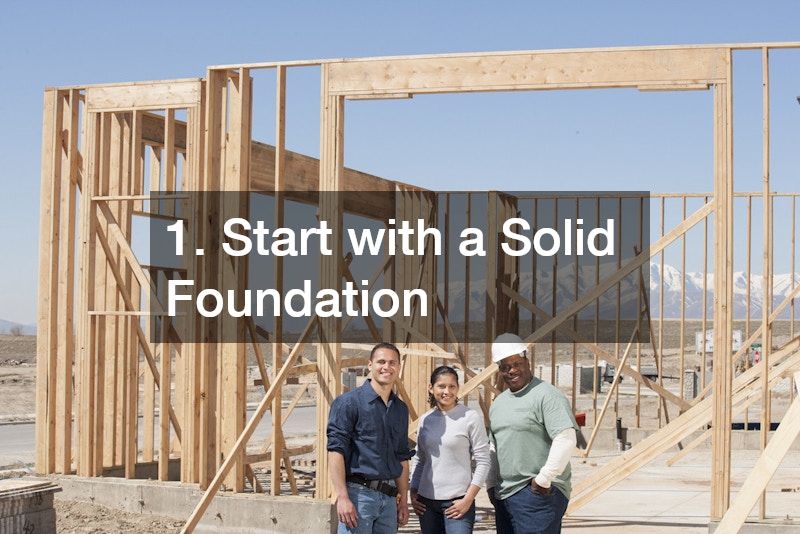
The foundation is not just the base that supports a home physically—it sets the stage for everything else, from structural stability to long-term maintenance needs. Even the most beautifully designed home can experience significant problems if the foundation is rushed or poorly executed. Issues such as cracking, settling, uneven floors, or water intrusion often originate from inadequate site preparation or insufficient attention to soil and drainage conditions.
Key Steps for a Strong Foundation
- Site Assessment: Conduct thorough soil testing to determine load-bearing capacity, drainage characteristics, and potential erosion or shifting risks. Understanding these factors is crucial for selecting the appropriate foundation type.
- Professional Site Preparation: Employ demolition contractors to safely remove old structures, debris, and vegetation, ensuring the lot is level and stable before construction begins. Proper preparation prevents future settling or instability.
- Selecting Builders: Work with custom home builders who prioritize long-lasting construction techniques, including accurate measurements, quality materials, and adherence to local building codes.
- Reinforcement Strategies: Utilize reinforced concrete, steel rebar, and other support measures to strengthen the foundation against shifting or cracking. Proper waterproofing and sealants also prevent moisture penetration.
- Drainage Planning: Install French drains, adequate grading, and slope around the foundation to direct water away from the structure, reducing the risk of water damage or soil erosion.
A carefully planned foundation not only supports the home physically but also protects its structural integrity over the long term. By addressing soil conditions, drainage, and reinforcement early, homeowners can ensure their property remains safe, stable, and durable for decades, minimizing costly repairs and safeguarding the investment.
2. Choose Durable Roofing Materials
A roof is more than just a cover over a home—it serves as the first line of defense against rain, snow, wind, and extreme temperatures. Its condition directly impacts the structural integrity, energy efficiency, and overall longevity of the house. A poorly constructed or low-quality roof can lead to leaks, water damage, mold growth, and even compromised foundations over time. That’s why selecting durable materials and relying on professional installation is critical for anyone looking to build a home that lasts for decades.
Tips for Selecting and Installing a Roof
- Material Selection: Long-lasting options for roof installation such as metal, clay tiles, slate, or high-grade asphalt shingles are worth the investment. Metal roofs offer exceptional durability and fire resistance, while clay and slate provide timeless aesthetics and long life spans. Asphalt shingles are versatile and cost-effective, especially when using higher grades designed for durability. Consider lifespan, maintenance needs, and resistance to weather when choosing materials.
- Professional Installation: Working with reputable roofing companies ensures proper installation of underlayment, flashing, and ventilation systems. Correct installation prevents leaks, ice dams, and premature deterioration. Experienced roofers also ensure that shingles or tiles are aligned and fastened to manufacturer specifications, which is crucial for warranty coverage.
- Maintenance Considerations: Include safe access points for routine inspections, gutter cleaning, and minor repairs. Preventive maintenance, such as clearing debris and checking for damaged shingles, extends the roof’s life.
- Weather Adaptation: Choose materials suited to local climate conditions. In hail-prone areas, impact-resistant shingles reduce damage. In hotter climates, reflective coatings minimize heat absorption, protecting both the roof and interior energy efficiency.
A well-chosen and properly installed roof not only shields the home from environmental hazards but also reduces long-term maintenance costs, preserves structural integrity, and ensures decades of reliable protection. Investing upfront in quality materials and skilled installation is a small price compared to the potential expense of frequent repairs or early replacement.
3. Prioritize Proper Waterproofing
Water intrusion is one of the most common yet overlooked threats to a home’s longevity. Even small amounts of moisture seeping into a foundation or basement over time can cause serious problems, including weakened structural components, rotting wood, and widespread mold growth. Left unaddressed, these issues can escalate into costly repairs, health hazards, and even reduced property value. Proper waterproofing is therefore essential not just for basements, but for the entire foundation system, ensuring that the home remains safe, dry, and structurally sound for decades.
Effective Waterproofing Strategies
- Drainage Solutions: Installing exterior drainage systems, such as French drains, perimeter drains, or gravel trenches, helps redirect water away from the foundation before it can accumulate. Properly designed drainage prevents hydrostatic pressure that can force water through walls or floors.
- Interior Barriers: Apply waterproof coatings, sealants, or vapor barriers to basement walls and floors. These materials create an additional layer of protection, preventing moisture from penetrating living spaces or storage areas.
- Professional Assistance: Enlisting basement waterproofing services ensures that all potential water entry points are identified and properly addressed. Professionals can install sump pumps, drainage channels, and moisture barriers designed for long-term performance.
- Moisture Control: Proper grading around the home, combined with well-maintained gutters and downspouts, prevents pooling water near the foundation. Regularly inspect these systems to ensure they are free of debris and functioning correctly.
By proactively addressing water management, homeowners prevent structural weakening, minimize mold and mildew risk, and avoid costly remediation. Waterproofing is an investment that preserves the integrity of the home and ensures comfort, safety, and longevity for decades to come.
4. Invest in Long-Lasting Flooring
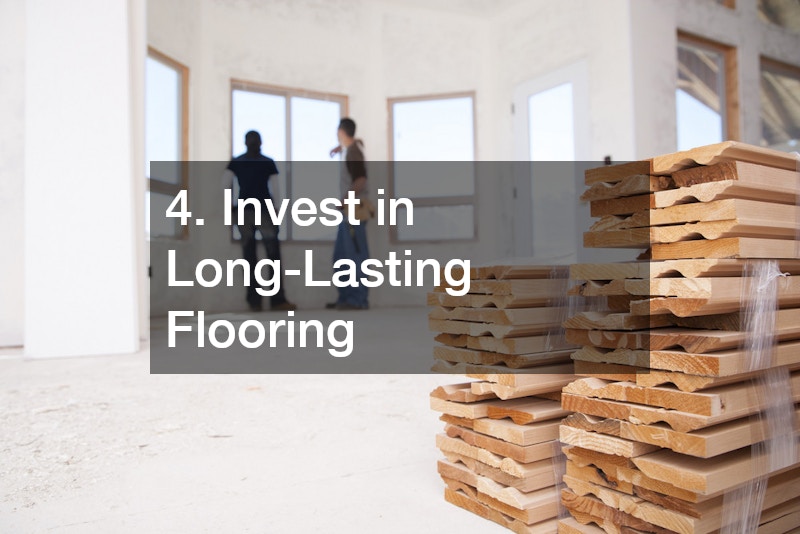
Flooring is one of the most heavily used elements in a home, bearing the weight of daily foot traffic, furniture, pets, and accidental spills. Over time, poorly chosen materials or improper installation can result in warping, cracking, stains, and other damage that require costly repairs or full replacement. Investing in high-quality, durable flooring and professional installation is essential not only for visual appeal but also for long-term functionality and structural integrity. Proper flooring contributes to a home’s overall comfort, energy efficiency, and resale value, making it a critical component of a home built to last decades.
Flooring Tips for Durability
- Material Choices: Select flooring materials that are built to withstand long-term wear. Hardwood provides timeless beauty and can be refinished multiple times. Engineered wood resists humidity-related warping, while tile and stone offer extreme durability in high-moisture areas. Luxury vinyl plank combines affordability with resilience, resisting scratches and moisture while mimicking natural materials.
- Professional Installation: Hiring skilled flooring contractors ensures the subfloor is correctly prepared, moisture barriers are applied where necessary, and planks or tiles are aligned properly. Proper installation prevents gaps, buckling, and uneven surfaces, which can compromise durability.
- Maintenance Planning: Choose finishes and coatings that resist scratches, fading, and moisture damage, particularly in high-traffic areas like kitchens, hallways, and entryways. Regular cleaning and refinishing extend life and preserve aesthetics.
- Underlayment and Support: A quality underlayment absorbs sound, prevents shifting, and adds insulation. It also acts as a buffer against subfloor irregularities, ensuring longevity and comfort underfoot.
By carefully selecting materials, prioritizing professional installation, and planning for maintenance, homeowners can ensure their flooring remains functional, attractive, and resilient for decades, reducing future repair costs and enhancing the overall value of the home.
5. Protect Your Exterior with Quality Painting
Paint serves a dual purpose in home construction and maintenance: it enhances the visual appeal of your home while providing critical protection against environmental damage. Without a durable paint layer, exterior surfaces can succumb to moisture, UV rays, temperature fluctuations, and general wear, leading to rotting wood, fading, or peeling over time. Interior paint also protects walls from minor impacts, stains, and humidity, particularly in kitchens, bathrooms, and high-traffic areas.
Tips for Long-Lasting Paint
- Surface Preparation: Proper preparation is crucial for paint longevity. This includes thorough sanding to remove old flaking paint, cleaning surfaces to remove dirt and mildew, and applying a suitable primer. These steps ensure strong adhesion and reduce the risk of bubbling, cracking, or peeling.
- Professional Application: Hiring experienced house painters ensures even coverage, correct brush or roller technique, and attention to detail around corners, trim, and edges. Professionals can also apply multiple coats evenly, maximizing durability.
- Quality Paint Selection: Choose paints that are specifically formulated for your climate. UV-resistant and waterproof paints protect against fading and moisture penetration, while mildew-resistant coatings are ideal for damp environments.
- Maintenance Routine: Regularly inspect painted surfaces for signs of wear or damage. Touch up areas showing minor peeling, chips, or discoloration before the problem spreads, and clean surfaces periodically to remove grime or mildew buildup.
6. Build Functional and Durable Outdoor Spaces
Outdoor spaces, including decks, patios, and porches, are heavily exposed to the elements and require careful design and construction to last. Poorly built decks can rot, warp, or become unsafe.
Tips for Building Lasting Outdoor Spaces
- Material Selection: Use pressure-treated wood, composites, or weather-resistant materials.
- Professional Expertise: Hire experienced deck builders for secure framing, proper drainage, and safe railings.
- Protective Coatings: Seal or stain wooden surfaces to prevent moisture damage.
- Regular Maintenance: Inspect fasteners, joints, and surfaces annually to address wear before it becomes critical.
Well-built decks and patios enhance living space, increase property value, and stand the test of time with proper care.
7. Plan for Efficient Garage Construction

A garage protects vehicles, storage, and equipment, but poorly built garages can lead to structural and maintenance issues. Planning with durability in mind ensures that this integral space adds long-term value.
Garage Construction Tips
- Foundation and Flooring: Ensure a stable slab with proper drainage and moisture protection.
- Professional Builders: Engage a local garage builder familiar with local codes and weather considerations.
- Roofing and Insulation: Extend the roofline appropriately and provide insulation for climate control.
- Durable Doors and Hardware: Choose quality materials to minimize repairs and improve security.
A robust, well-constructed garage reduces future maintenance needs and integrates seamlessly with the home’s overall structure.
8. Maintain Structural Integrity Through Repairs
Even a well-built home requires periodic maintenance, particularly for components exposed to the elements. Proactive repairs extend lifespan and prevent minor issues from escalating.
Maintenance Tips
- Regular Inspections: Check for leaks, damaged shingles, or flashing issues.
- Professional Repairs: Hire a roof repair service to address issues quickly and correctly.
- Seasonal Maintenance: Clean gutters, inspect attic ventilation, and remove debris that can damage roofing.
Routine upkeep ensures structural components remain strong, avoiding costly and disruptive repairs later.
9. Optimize Interior Layout and Functionality
Thoughtful interior planning reduces wear, enhances safety, and improves long-term usability. Functional layouts distribute traffic flow and prevent unnecessary strain on materials.
Interior Planning Tips
- High-Traffic Areas: Use durable materials and finishes for floors, walls, and cabinetry.
- Custom Design: Work with custom home builders to incorporate storage, traffic flow, and flexible spaces.
- Future-Proofing: Plan electrical, plumbing, and HVAC systems for adaptability and minimal disruption in future upgrades.
Smart interior design minimizes long-term wear and reduces the likelihood of premature renovations.
10. Ensure Safe Demolition and Renovation Practices
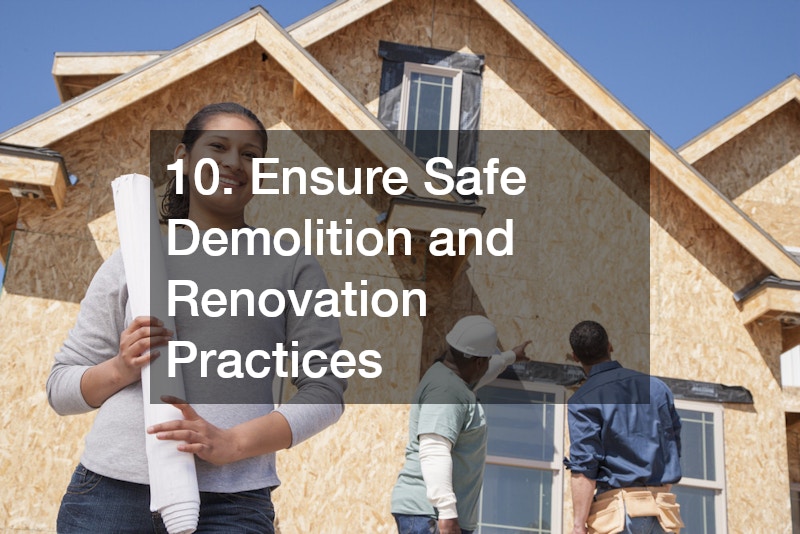
Renovating or expanding requires careful demolition to protect the home’s structural integrity. Improper practices can weaken foundations, walls, or roofing.
Safe Demolition Tips
- Hire Professionals: Demolition contractors ensure controlled removal of walls, floors, and old structures.
- Protect Surroundings: Use barriers, dust control, and debris management to prevent damage.
- Coordinate with Builders: Integrate demolition with overall construction plans to avoid structural conflicts.
Safe, controlled demolition preserves the home’s integrity and allows for seamless renovations or expansions.
Building a home that lasts for decades requires careful planning, high-quality materials, and expert guidance throughout every stage of construction. From foundations and roofing to flooring, painting, and outdoor spaces, each element contributes to long-term durability. Proactive maintenance, professional installation, and thoughtful design choices reduce repair costs, prevent structural damage, and protect your investment. By combining strategic planning with skilled craftsmanship, you can create a home that remains safe, functional, and beautiful for generations.