The decision to upgrade a residential property is rarely just about aesthetics; it is a calculated financial maneuver designed to amplify equity, protect equity, and enhance daily living. When executed with precision, home improvements transform raw capital into a tangible market premium. However, not all renovations are created equal. The modern real estate market rewards strategic, highly functional interventions over sprawling, purely cosmetic alterations. Homeowners must look at their properties through the lens of a professional appraiser, balancing immediate structural integrity with high-value lifestyle upgrades.
To achieve the maximum possible return on your investment, a renovation strategy should be phased intelligently. This guide maps out a comprehensive roadmap—spanning capital security, architectural vision, disaster recovery, interior modernization, mechanical reliability, and luxury recreation. By focusing on smart execution, clear design guidelines, and professional craftsmanship, you can maximize your property value while systematically eliminating the risk of sunk costs.
Mapping Your Financial Blueprint and Architectural Vision

Embarking on a comprehensive property upgrade requires a solid financial foundation and a distinct architectural vision. Before a single wall is opened or a foundation is poured, the fiscal logistics must be flawlessly aligned to protect your liquid assets and maintain continuous project momentum. Navigating the modern lending landscape demands an understanding of how debt can be structured to build equity without over-leveraging the underlying asset.
- Evaluate the true depth of your accessible equity by securing a formal, professional home appraisal rather than relying entirely on automated online estimates.
- Compare specialized financing vehicles, such as a Home Equity Line of Credit (HELOC), traditional cash-out refinances, or dedicated home loans tailored to major construction, to isolate the lowest fixed borrowing costs.
- Establish a strict, non-negotiable 15% to 20% liquid cash contingency reserve specifically earmarked for unseen regulatory compliance fees or hidden structural adjustments.
- Prioritize financing options that offer flexible draw periods, ensuring you only pay interest on funds as your construction milestones are systematically achieved.
Once the capital is secured, the transition from financial abstraction to structural reality begins. For properties undergoing extensive expansions or built entirely from scratch, the design must carefully balance hyper-personalized choices with universal marketability. The key to high-ROI architectural planning lies in configuring layouts that fulfill specific lifestyle demands while retaining a flow that appeals universally to future buyers.
- Design multi-generational floor plans or highly flexible home office suites that can instantly adapt to a future buyer’s shifting familial or remote-work requirements.
- Engage certified custom home builders who possess an expansive portfolio of handling complex zoning laws and challenging lot topographies.
- Focus on maximizing vertical volume and natural light penetration by incorporating architectural features like window walls and vaulted ceilings.
- Incorporate premium, durable base materials—such as engineered framing systems and advanced thermal barriers—to future-proof the core structure.
Protecting and Managing Large-Scale Structural Renovation
A home’s market value is only as secure as its physical foundation and structural envelope. Ignoring underlying structural issues while prioritizing surface-level cosmetic updates is one of the most common mistakes a homeowner can make. When unexpected environmental challenges strike—such as localized flooding, mold proliferation, or silent water intrusion—immediate, aggressive remediation is required to preserve the home’s baseline equity.
- Conduct rigorous, semi-annual moisture inspections across vulnerable subterranean spaces, attics, and crawlspaces to catch hidden degradation early.
- Enlist a certified, fully insured restoration company to execute comprehensive toxic mold eradication, sub-floor drying, and deep environmental sanitization.
- Ensure that all post-incident remediation work comes accompanied by fully transferable warranties and official air-quality certifications to streamline future real estate disclosures.
- Invest heavily in industrial-grade waterproofing membranes and commercial-grade sump pump systems during the recovery phase to permanently insulate the space against future weather anomalies.
Managing large-scale structural changes or major square-footage expansions requires strict regulatory compliance and professional oversight. Attempting to manage extensive structural alterations without the proper licensing can lead to severe code violations, unpermitted work flags during future home inspections, and major financial liabilities. Sophisticated property improvements demand seasoned project managers who understand how to orchestrate complex trades seamlessly.
- Verify that your project lead holds active workers’ compensation, comprehensive commercial liability insurance, and a clean state regulatory record.
- Partner with licensed residential general contractors to consolidate the management of subcontractors, municipal permitting phases, and material supply chains.
- Develop a legally binding, milestone-based contract where payments are distributed only after independent municipal building inspectors formally sign off on specific phases of construction.
- Implement strict structural site protocols, including heavy dust containment barriers and temporary weather-proofing curtains, to protect the undisturbed zones of the property.
Revitalizing Core Living Spaces for Maximum Everyday Impact
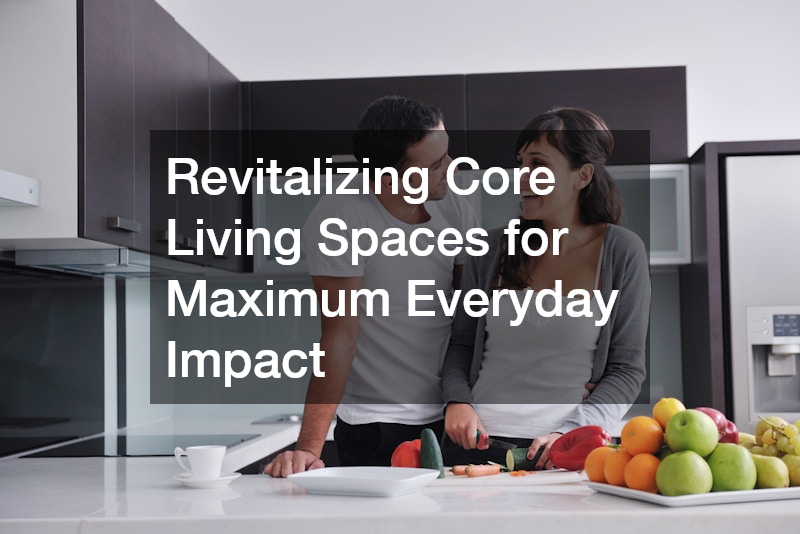
The interior of a home dictates its daily livability and forms the emotional core of buyer perception. When prioritizing interior spaces, a balanced approach yields the highest returns. Homeowners should avoid hyper-specific decorative trends, opting instead for clean lines, high-performance materials, and open architectural flow that visually expands the footprint of the home.
- Identify underutilized spaces, such as deep closets or dead ends in wide hallways, and reconfigure them into highly organized built-in storage or functional command stations.
- Consult with experienced home remodelers who understand how to remove non-load-bearing walls safely to achieve a cohesive, modern open-concept flow.
- Opt for high-traffic, durable flooring solutions like wide-plank engineered hardwood or luxury porcelain tile that withstand heavy usage while looking premium.
- Utilize a monochromatic, sophisticated paint palette paired with deep crown moldings to establish a timeless interior canvas that easily adapts to shifting design trends.
While general interior flow is vital, the culinary space remains the undisputed champion of interior asset valuation. Buyers routinely judge the overall maintenance and luxury caliber of a home by the state of its kitchen. Upgrading this zone requires a meticulous blend of industrial-grade appliance integration, highly ergonomic layout planning, and flawless finish carpentry.
- Incorporate the timeless kitchen work triangle concept, ensuring the spatial distance between your primary refrigeration, cooking surfaces, and cleaning zones is optimized for effortless movement.
- Leverage professional kitchen remodeling services to install bespoke, solid-wood cabinetry featuring soft-close mechanisms, hidden spice pull-outs, and integrated trash recycling centers.
- Choose non-porous, highly heat-resistant slab countertops—such as premium engineered quartz or quartzite—to deliver striking visual luxury paired with low-maintenance durability.
- Layer the illumination scheme by blending flush-mount ambient ceiling LEDs, task-oriented under-cabinet LED strips, and low-voltage decorative pendant statement fixtures over islands.
Upgrading Hidden Mechanics and Exterior Integrity
Curb appeal serves as the literal introduction to your home’s value, and the roof represents the most critical line of defense against the elements. An aging, leaking, or visually degraded roof will instantly devalue a property and stall real estate negotiations. Investing in premium exterior protection ensures the structure remains completely impervious to severe weather while lowering insurance premiums.
- Analyze local weather data to choose the optimal material composition, ranging from high-wind-resistant architectural asphalt shingles to lifetime standing-seam metal roofing systems.
- Secure the expertise of factory-certified roofing services to ensure all underlayments, ice-and-water shields, and valley flashings exceed local building codes.
- Upgrade the attic ventilation system simultaneously by installing continuous ridge vents and balanced soffit intakes to prevent devastating summer heat buildup and winter ice damming.
- Replace old, sagging gutters with seamless aluminum systems paired with integrated heavy-duty leaf guards to direct water safely away from the foundation.
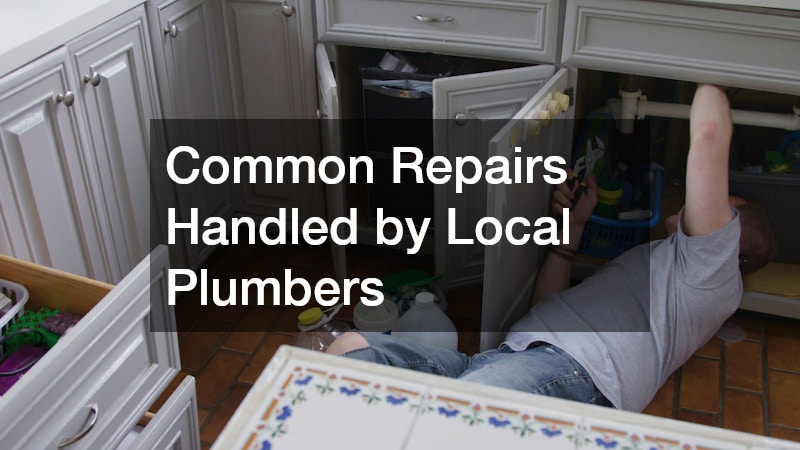
Beneath the drywall and high-end finishes lies the mechanical circulatory system of the home: the plumbing network. Outdated mechanical components represent a hidden financial time bomb. Upgrading these systems provides immense peace of mind, dramatically reduces monthly operational costs, and acts as a massive selling point during deep home inspections.
- Replace aging galvanized or early-generation plastic supply lines with high-density, flexible cross-linked polyethylene (PEX) piping to eliminate the risk of catastrophic burst lines.
- Hire a licensed, highly reviewed plumbing company to perform a comprehensive sewer line camera inspection and clear out deep root intrusions before they cause main-line blockages.
- Transition from traditional, inefficient tank-style water heaters to modern, energy-efficient tankless water heating systems to secure endless hot water on demand and slash utility costs.
- Install intelligent, main-line smart water shut-off valves that automatically detect micro-leaks and isolate the main water supply instantly via mobile alerts if a breach occurs.
Advanced Smart Integration and Sustainable Automation
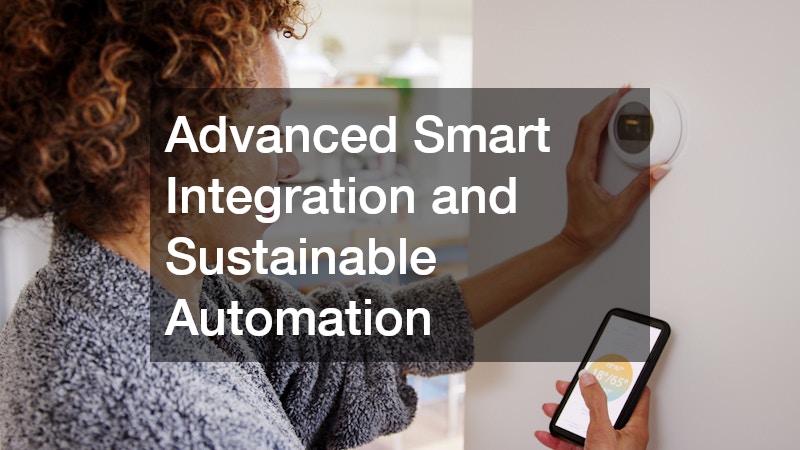
As residential architecture evolves, true property value is increasingly measured by a home’s technological intelligence and operational efficiency. Integrating a centralized smart ecosystem does more than offer convenience; it creates a highly responsive environment that actively minimizes resource waste while maximizing daily security. Modern home buyers are no longer impressed by fragmented, app-heavy gadgets. Instead, they seek a fully integrated, automated infrastructure that seamlessly unifies climate, lighting, and security into a single, intuitive interface.
- Implement an enterprise-grade mesh Wi-Fi network with dedicated hardwired data drops behind every major appliance and entertainment hub to ensure flawless, uninterrupted connectivity.
- Install smart, learning thermostats equipped with remote room sensors that dynamically adjust climate control based on real-time occupancy patterns and external weather shifts.
- Transition entire lighting grids to centralized, programmable smart switches that allow for custom scene scheduling, vacation mock-occupancy modes, and automated daylight harvesting.
- Deploy high-definition, AI-driven exterior security cameras featuring localized edge storage and advanced facial recognition to provide comprehensive, subscription-free property oversight.
Elevating Curb Appeal With Sustainable Landscaping and Structural Accents
The exterior aesthetic of a property acts as a visual thesis statement, establishing an immediate psychological baseline for the home’s overall worth before a visitor ever steps through the front door. Elevating this crucial zone requires a thoughtful blend of sustainable, low-maintenance landscaping and high-impact architectural accents. By moving away from high-water-consumption lawns and embracing native flora paired with permanent hardscaping, you create an exterior that looks pristine year-round while dramatically reducing ongoing maintenance overhead.
- Utilize native, drought-tolerant flora and xeriscaping design principles to minimize municipal water dependency while establishing a lush, regionally authentic exterior aesthetic.
- Install high-end architectural accent lighting, utilizing low-voltage LED fixtures to trace major pathways, highlight mature specimen trees, and wash structural facades in warm, inviting light.
- Replace standard concrete pathways with premium natural stone pavers or stained, stamped concrete to add deep texture and sophisticated geometric clean lines to the entryway.
- Upgrade standard builder-grade garage doors and entryways with heavy, insulated solid-wood or custom-milled aluminum alternatives featuring high security ratings and distinctive, modern hardware.
Elevating Property Premium With High-End Lifestyle Additions
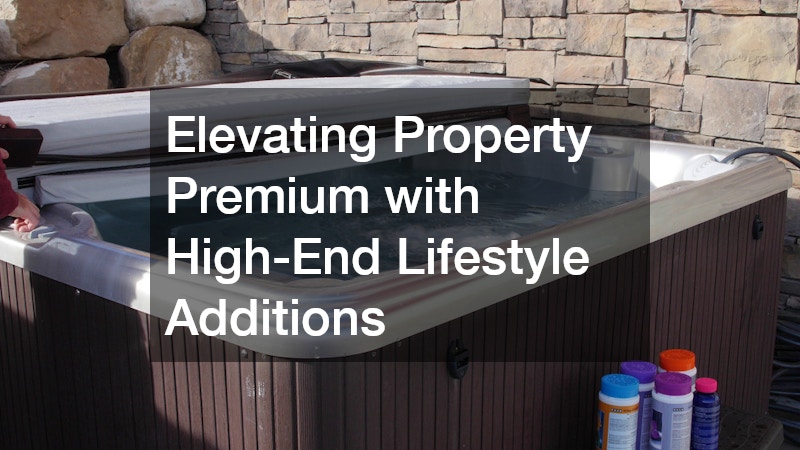
Once the property’s structural and mechanical systems are fully optimized, you can turn your attention to high-end lifestyle additions that elevate the home into the luxury tier. Creating a private, resort-caliber outdoor sanctuary is an exceptionally powerful way to expand the usable living space of the property. Transforming a standard backyard into an oasis of relaxation requires careful spatial integration and high-performance equipment.
- Design a cohesive, multi-tiered outdoor living footprint that smoothly transitions from hardscape outdoor dining environments into private relaxation zones.
- Navigate the competitive landscape of hot tub sales by prioritizing energy-efficient models equipped with advanced multi-stage filtration systems and ergonomic hydrotherapy jet arrays.
- Recess the spa unit into custom composite decking or surround it with natural stone masonry to create an integrated, high-end built-in architectural feature rather than a standalone obstruction.
- Incorporate low-voltage LED landscape lighting, mature privacy plantings, and automated sound zones to establish a truly immersive, secure outdoor sanctuary environment.
The final frontier of a comprehensive luxury home optimization strategy involves dedicating specific indoor square footage to media immersion and digital connectivity. Modern luxury is deeply intertwined with technological convenience and high-performance acoustics. Creating a designated environment for cinematic and acoustic excellence provides an unparalleled indoor lifestyle upgrade.
- Choose a dedicated room with minimal natural light penetration and soundproof the interior walls using specialized acoustic drywall and dense mineral wool insulation batting.
- Engage specialists in professional home theater installation to engineer flawless speaker placements, configure multi-channel surround sound fields, and calibrate advanced laser projection systems.
- Conceal all complex data wiring, amplification hardware, and source units within a centralized, actively cooled media closet to preserve clean, minimalist room aesthetics.
- Integrate the entire media experience into a unified smart-home control platform, allowing a single command to simultaneously lower blackout shades, adjust climate control, and dim lighting zones.
Conclusion
Maximizing the long-term equity of a residential property is a multi-faceted process that requires a careful blend of defensive maintenance and forward-thinking luxury enhancements. True property value is built from the inside out. By securing low-overhead financing, fortifying the structural envelope against unexpected damage, and upgrading core mechanical systems, you build an unshakeable foundation of home equity. Layering that foundation with high-performance interior renovations and state-of-the-art lifestyle installations transforms a standard house into an elite asset. When you commit to using vetted professionals, choosing highly durable materials, and executing timeless design principles, your home renovations stop being a financial gamble and become a definitive path to long-term wealth.